


Ever experience a headache so mind-numbing, even medication can’t help?
We might know what’s up. Let’s get you sorted.
What do you do when you are suffering from a pounding headache? Do you simply grit your teeth and carry on through your day? Lie down and take a quick nap? Pop a tablet and wait?
While for most people (in fact, nine out of ten), a headache is a mild nuisance that goes away in a few hours, for some – up to 12% of the population – it can present as throbbing and debilitating pain, lasting for days. The pain can sometimes be too unbearable that it starts affecting work, relationships, and behavior – overall negatively impacting one’s quality of life.
At Pain Away, we are the experts when it comes to pain. We’ll get you the instant pain relief that you need, and make sure you’re on the right track to better health for the future.
Headache vs. Migraine: What’s the Difference?
Headaches are one of the most common health problems that medical practitioners treat. Nine out of ten people in the world experience them on a yearly basis, and they can range from moderate to severe. While most people automatically attribute a severe headache to being a “migraine”, that’s actually not always true. A migraine is simply one of the three common types of headaches; there are specific criteria required to identify a headache as a migraine; and all three common types of headaches can vary in severity.
The three types of headaches are:
- Tension headache: Very common type of headache. It will mostly present as a dull, constant pain felt on both sides of the head. Symptoms might include a tenderness on the face, head, neck, and shoulders; sensitivity to light and sound; as well as pressure behind the eyes. Usually lasts 30 minutes up to sever hours.
- Cluster headache: A more severe and less frequent type of headache; affects men more than women. Most describe it as a an intense burning or piercing pain behind or around one eye. Other common symptoms are watery/swollen eye, a blocked/runny nose, and sensitivity to light and sound. Usually lasts 30 minutes up to sever hours.
- Migraine headache: This almost always presents as very intense throbbing pain, usually on just one side of the head. Symptoms may also include seeing spots, flickering lights, partial loss of vision, sensitivity to light and sound, nausea. A Migraine attack may last between 4 hours up to 3 days at a time.
The Pain Away Treatment Process: How It Works

Step 1: Preliminary exam and physical diagnosis
A quick preliminary consultation and diagnosis by one of our licensed physiotherapists allow us to quickly rule out all other factors and get to the root causes of your ailments.

Step 2: Pain relief treatment and/or physical therapy
Having a specific diagnosis, we can immediately select which form of treatment is required to provide the fastest pain relief, while supplementing with recovery through physiotherapy.

Step 3: Medical analysis and pain recovery advice
After having gone through the full pain relief treatment, a summary on your condition is given, as well as advice on what you can do to help speed up recovery on your way to wellness.
Bad Posture Can Cause Headaches
Believe it or not, the most common type of headache – the Tension Headache – can be often attributed to bad posture. Especially in a work environment, you might slouch while looking down at your computer or writing, with your head, neck, and shoulders extended forward.
You are actually pinching the suboccipital nerve causing a dull, constant pain running from the back of your head to your eyes. We urge you to try this right now – roll your shoulders back, straighten your back, and pull your neck backwards. Give it 5 minutes and you’ll feel an immediate improvement.


When Is It Time To See a Professional?
While most headaches subside in the span of a few hours, depending on the severity, it might be best to get a professional opinion. Take note of the following:
- Vision loss or impairment
- Confusion, dizziness, or fever
- Shortness of breath
- Slurred speech
- Persistent nausea and vomiting
- Symptoms that only gets worse with time or won’t stop
If you are experiencing any of the above, or if the headache is interfering with the normal activities of daily life, seek out help immediately.
Join Pain Away’s Group weekly classes led by our Therapists
Simply reserve by contacting us at 02-258-1361 or 086-333-6877.


Our manual treatment can help relieve pain and improve mobility, but to help strengthen your muscles so you can keep a better posture long-term, try our classes (Asok branch only).
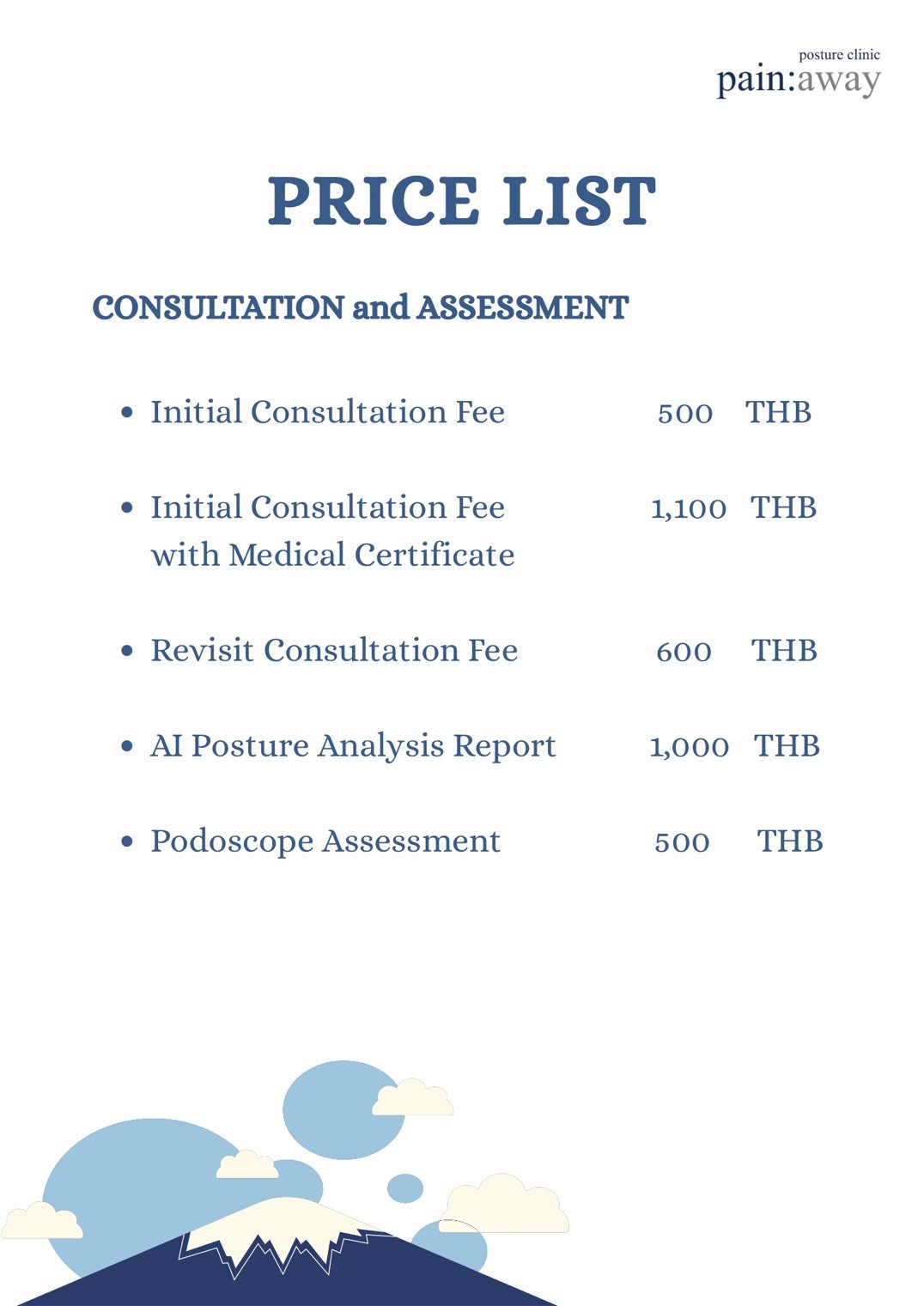
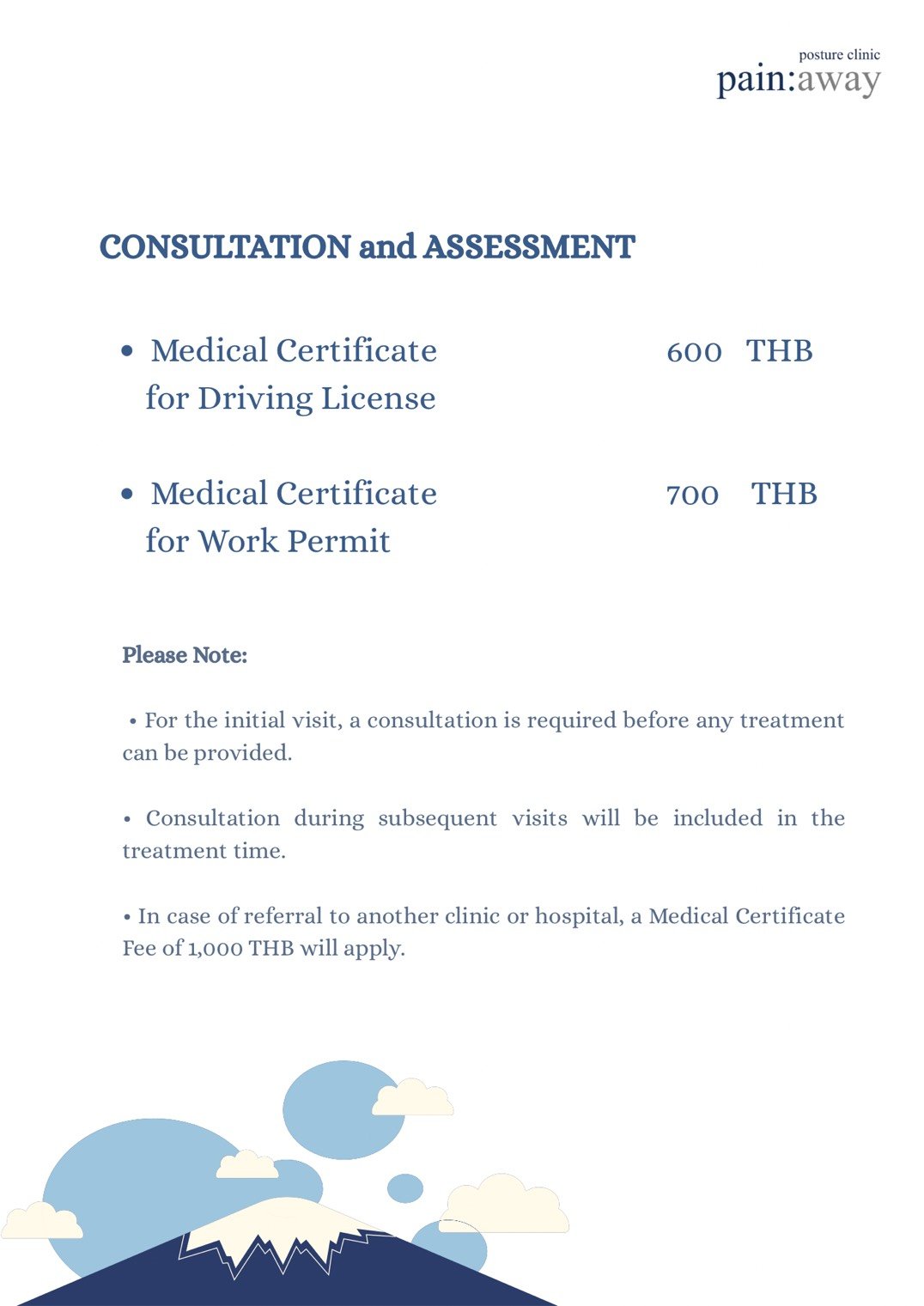
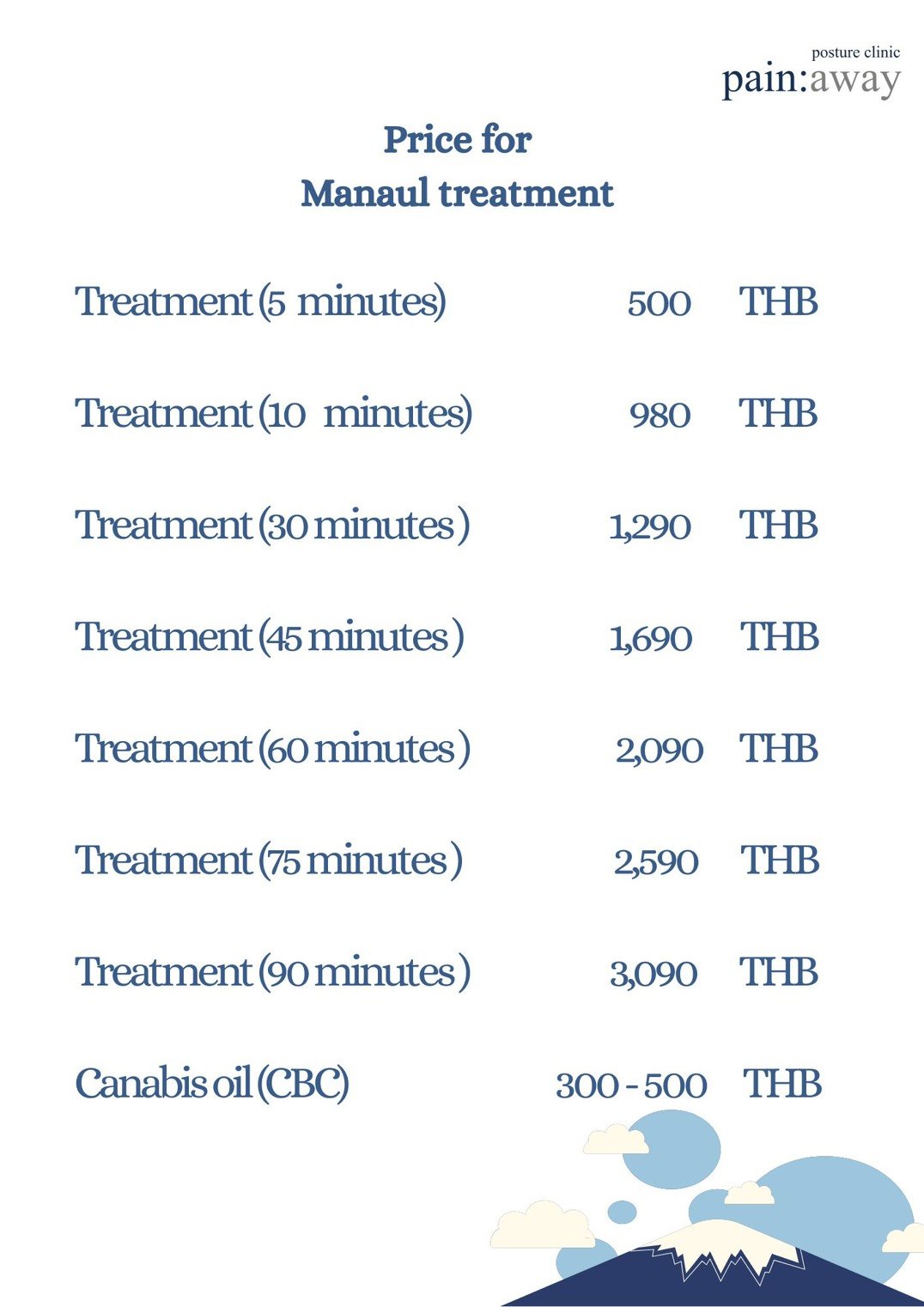
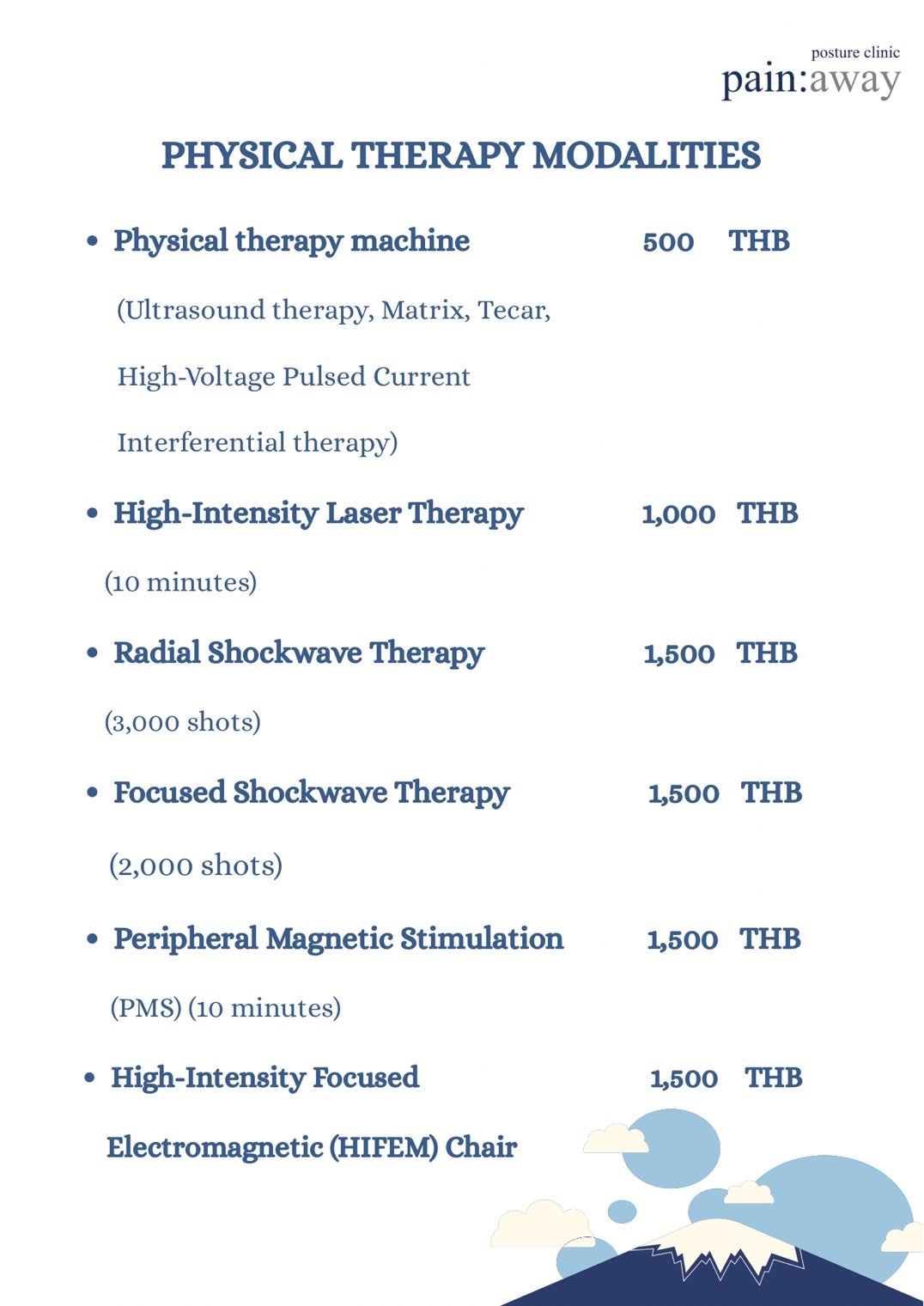
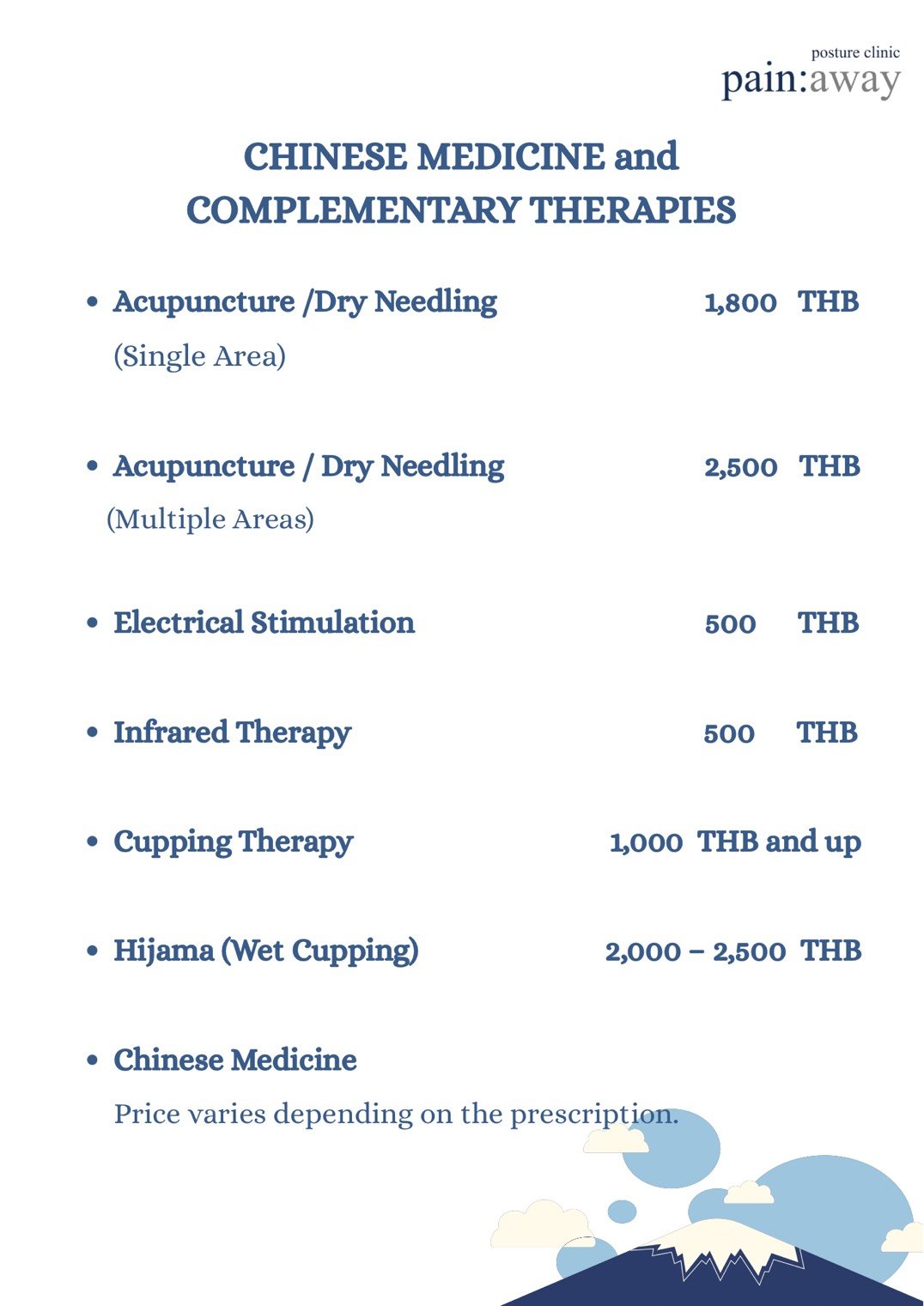
Treatment Pricing
Physical Therapy Treatment starts at 1,500-3,000 THB | Doctor fee (for insurance) is 600 THB
Frequently Asked Questions (FAQs)
Why do my headaches keep coming back?
If my head hurts, why do you assess my neck, shoulders, and posture?
Do I need an MRI before receiving treatment for recurring headaches?
Will I receive exercises to help prevent my headaches from returning?
Trusted
With over 15 years of combined experience treating Back Pain and providing Pain Relief in Bangkok, we at Pain Away are your most trusted friends.
Reliable
Our 94% success rates speak for themselves. You won’t leave unsatisfied with the care we put into our physiotherapy and pain treatments.
Safe
All of the treatments we practice are 100% derived from both medical and alternative forms of health.

Need a Medical Certificate for Insurance?
We’ve got you covered.
(Our doctor is in-house Thu-Mon. Please bring your ID or passport.)


